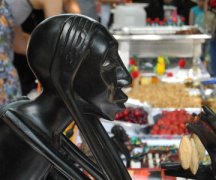
EUROPEAN HERITAGE DAYS AT MAU
Heritage at Risk: Revive, Resist, Reimagine
 1-8 October 2026
The cultural heritage of African communities forms an integral part of contemporary European cultural and historical heritage. In this context, the African community in Belgrade holds a particularly important place. Its presence in the city is dynamic and growing, making a significant contribution to Belgrade’s cultural life, and particularly to the programmes and activities of the Museum of African Art.
As part of the European Heritage Days, the programme will explore themes of revival, preservation and transformation: local initiatives focused on transforming packaging waste into new and useful products; the relationship between oral tradition and contemporary identities in Mali and Kenya; the transformation of African artistic traditions in the contemporary practices of African artists; as well as a screening of The Time of the Leopard, an important work of Yugoslav cinema.
Through different perspectives, the programme will explore how cultural heritage is transmitted, reinterpreted and transformed, the ways in which it “lives” and the cultural spaces in which it takes shape, while also raising questions about the place of African cultures and communities in shaping the contemporary European cultural space. We invite audiences to actively engage with the programme, participate in the lectures and discussions, and contribute to a collective reflection on these issues through their questions and comments.
*Admission to all events within the European Heritage Days programme is free.
Thursday, 1 October 2026, 6 PM
Discussion: “Say It: ActiON”
Participants in the conversation:
- Anica Spasov, President of the Association supporting persons with developmental disabilities "Naša kuća"
- Milja Vuković, Founder of the Regional Ecological Platform "Blue and Green"
- Zoran Martinov, President of the Association "Cap for Handicap"
- Gorana Angebrant, Coordinator of the campaign "Don’t throw glass, collect for…", Zbor Bežanijska kosa
- Valentina Pavličić, Artistic Director of Limenka Theater Fest
- Olga Zorina, Founder of the project "Fabriqa.rs"
Talk conceived and moderated by Ivana Vojt, Senior Curator
*The lecture will be held in Serbian.
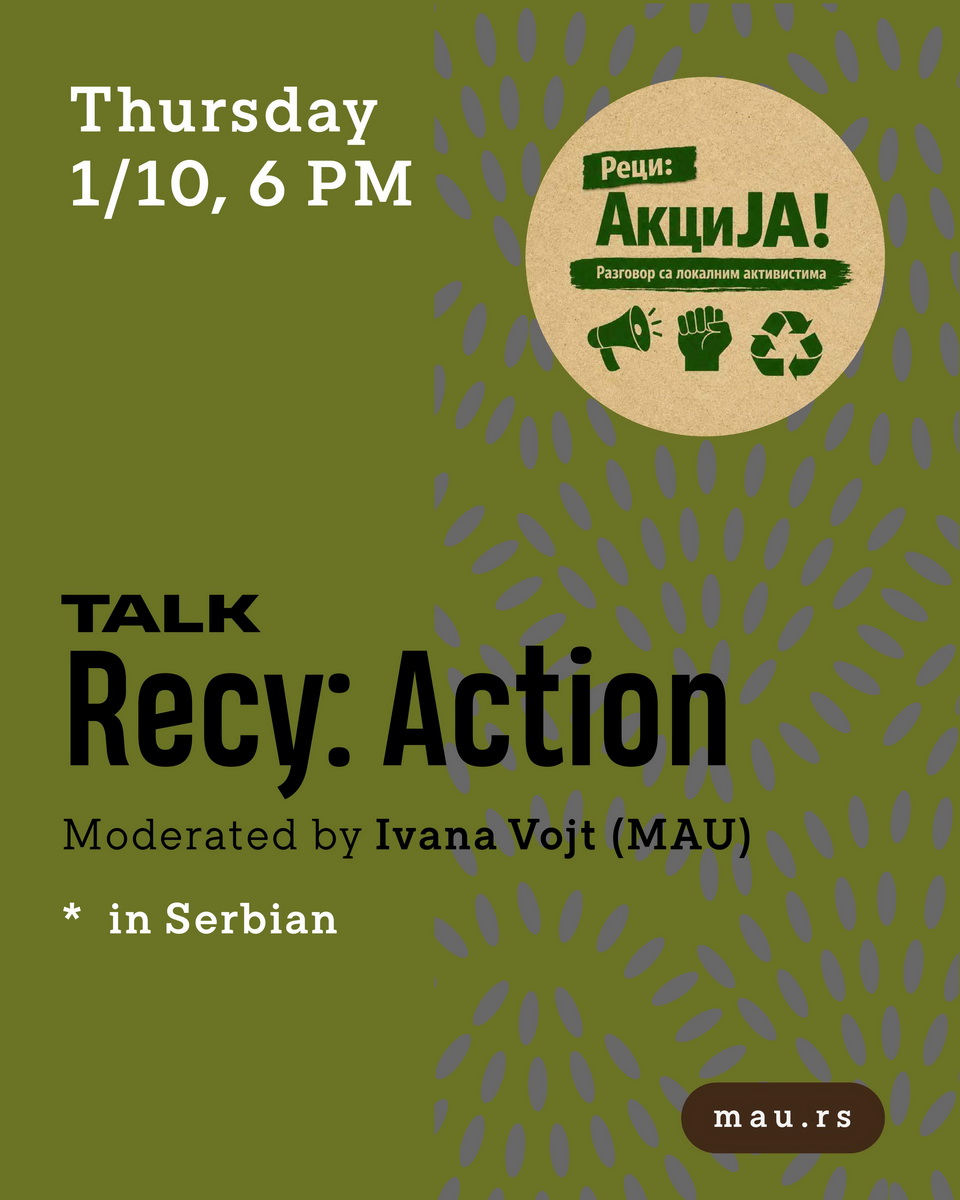 As the concluding accompanying programme of the exhibition “Recy: Art – Waste as a Resource”, a discussion will be dedicated to environmental protection and responsible approaches to waste.
The event will present local initiatives by individuals and associations working with packaging waste and its transformation into new and useful products. Their examples demonstrate how innovation and commitment can contribute to reducing waste and encouraging sustainable practices in everyday life.
The discussion will explore how each of us can take the first step towards a more sustainable way of life, how we can support existing initiatives, or even initiate activities within our own communities.
The aim is to encourage the exchange of ideas, strengthen collective action, and demonstrate that even the smallest actions can have a meaningful impact on environmental protection.
Friday, 2 October 2026, 6 PM
Lecture: “Reinterpreting Tradition: From Negritude to Contemporary African Art”
Lecturer: Prof. Dr Agnieszka Kluczewska-Wójcik
*The lecture will be held in English.
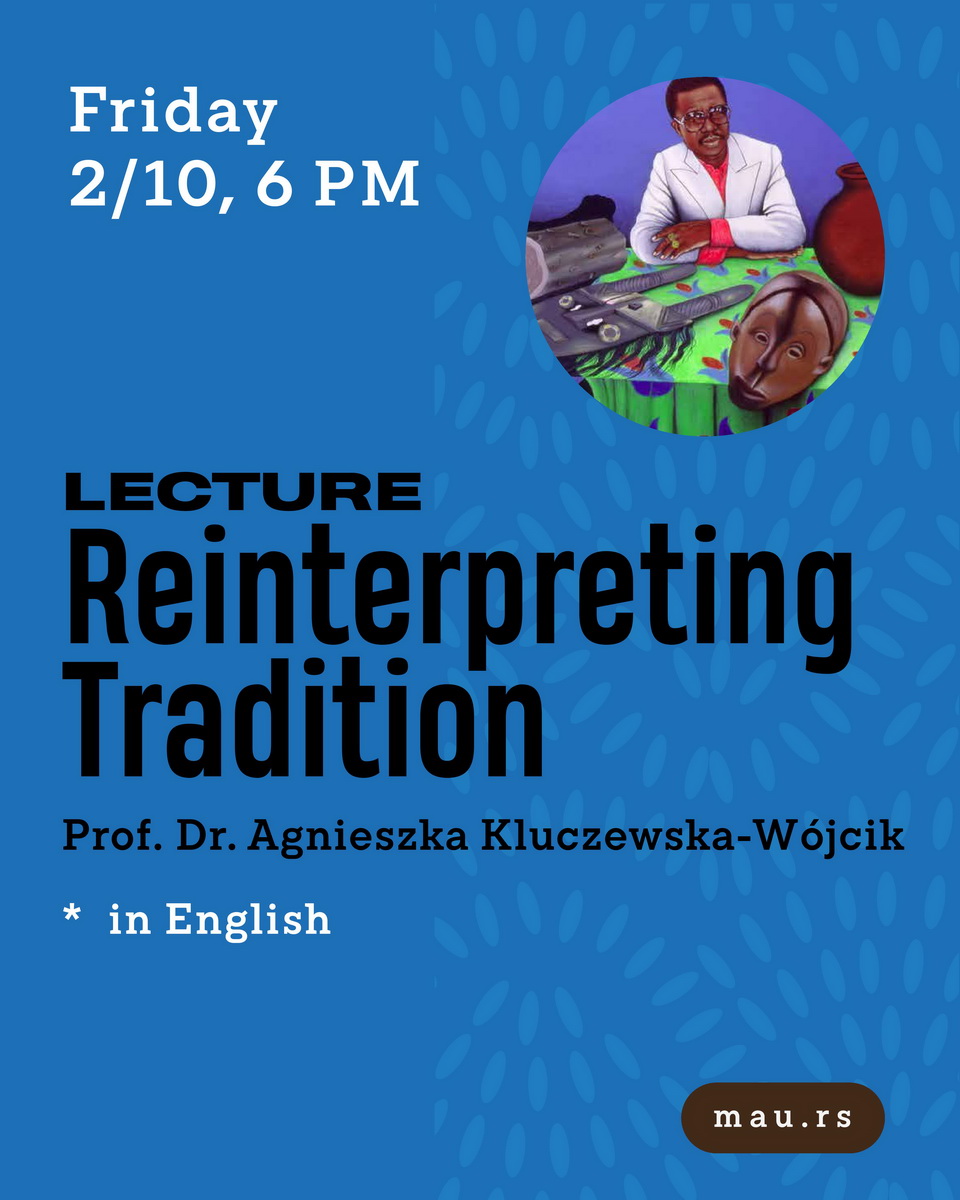 The lecture “Reinterpreting Tradition: From Negritude to Contemporary African Art” will explore the development of the idea of Negritude, with particular attention to Aimé Césaire and Léopold Sédar Senghor, as well as its broader cultural and institutional context. The lecture will examine how the ideas of the Negritude movement influenced understandings of African culture and art, as well as the ways in which African artistic traditions have been reinterpreted within the context of contemporary art.
The second part of the lecture will present works by prominent African artists whose contemporary practices engage with different aspects of tradition and cultural heritage. Through the work of artists such as Malick Sidibé, Seydou Keïta, Chéri Samba, Moke, Romuald Hazoumè, El Anatsui and Samuel Fosso, the lecture will consider the ways in which tradition is continually reconsidered, transformed and given new meanings within contemporary artistic practice.
The lecture will offer insight into the complex relationships between cultural heritage, identity, modernity and contemporary African art, as well as into the ways in which artists, through their practices, participate in questioning and shaping new representations of African culture and its heritage.
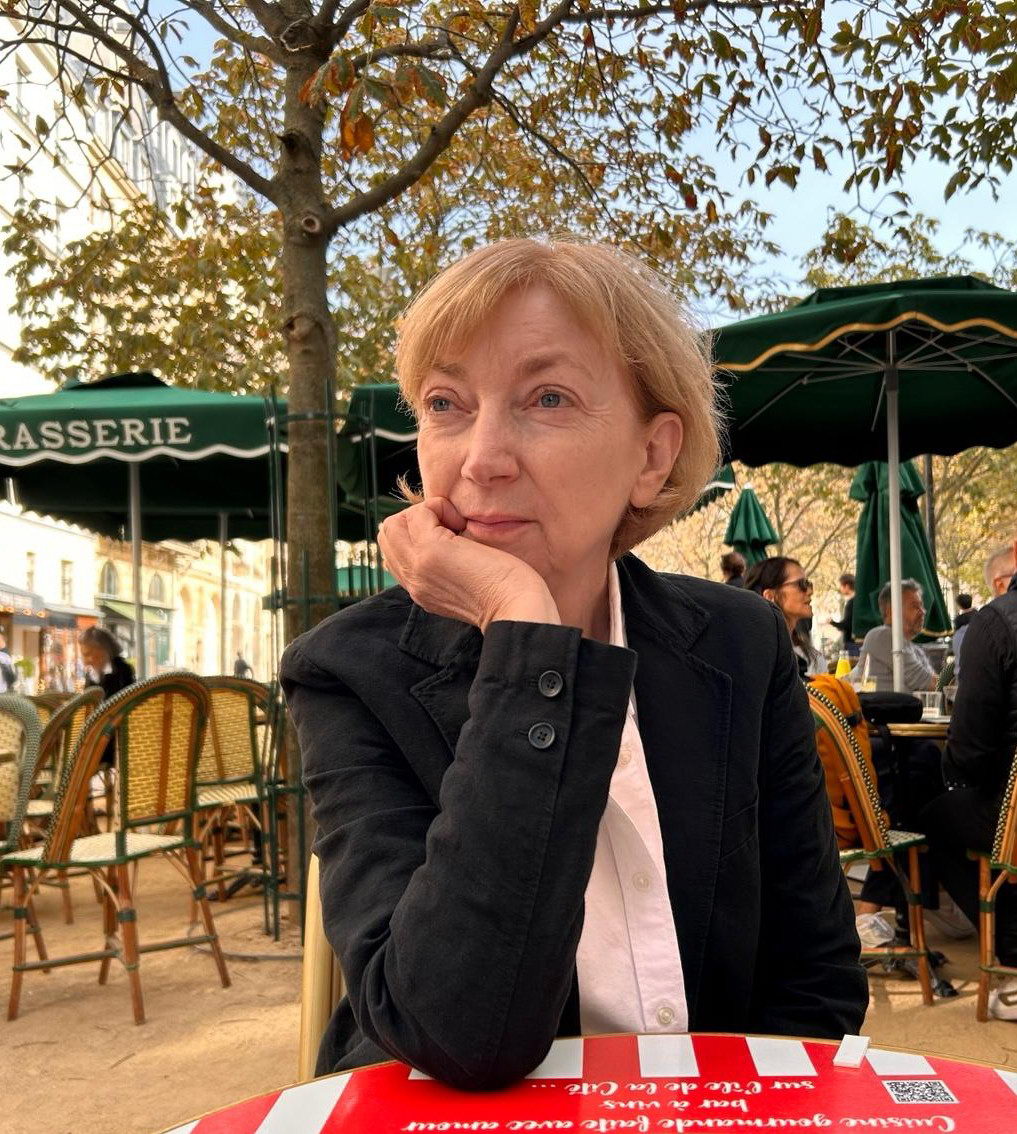 Agnieszka Kluczewska-Wójcik studied museology at the École du Louvre and received her PhD in Art History from the University of Paris 1 Panthéon-Sorbonne. Until 2014, she was an associate professor at the Department of Art History and Culture at Nicolaus Copernicus University in Toruń.
Her research interests include intercultural transfers and connections, with a particular focus on Japonisme, Orientalism and Polish-French relations, as well as the history of museums and collecting and the critique of contemporary French and African art.
She is a researcher and Vice President of the Polish Institute of World Art Studies in Warsaw.
The event is supported by the Polish Institute in Belgrade.
Tuesday, 6 October 2026, at 6 PM
Talk and storytelling: “Before the Book – The Art of Storytelling and the Preservation of Kenyan Heritage”
Lecturer: Rahul Kiago, medical student at the University of Belgrade
*The lecture will be held in English.
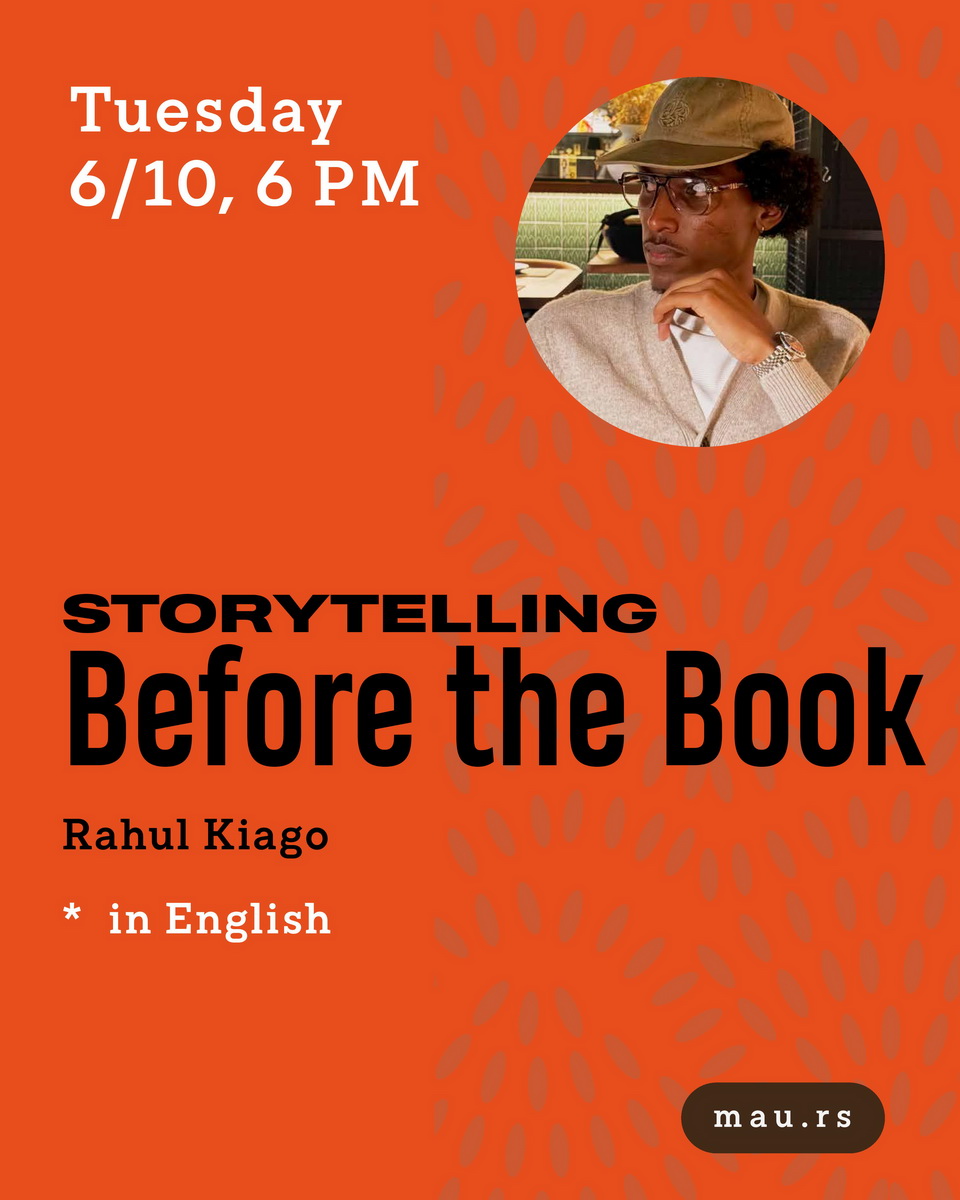 How were history, knowledge, values and identity transmitted before they were written down? Rahul Kiago’s lecture will explore Kenya’s rich tradition of oral heritage and the role of storytelling, folktales, songs, proverbs and other forms of oral tradition in preserving the cultural memory of Kenyan communities.
Reflecting on traditional forms of transmitting knowledge, the lecture will also consider their place in contemporary society and the ways in which these traditions are changing, adapting and continuing to live today.
The lecture will conclude with a live performance of a traditional Kenyan story, giving the audience an opportunity not only to hear about the art of storytelling, but also to experience it through the storytelling tradition itself and the spoken word.
 Rahul Kiago is a Kenyan medical student at the University of Belgrade with a particular interest in African identity, culture and heritage. As a Kenyan living in Serbia, he is passionate about exploring how African identities are preserved, expressed and understood across different cultural contexts.
Wednesday, 7 October 2026, at 6 PM
Lecture: “Speech, Political Structures and Oral Tradition in Mandinka Society: Resistance and Transformation of a Social Institution in Mali”
Lecturer: Seku Sidi Diavara, PhD candidate at the Faculty of Political Sciences, University of Belgrade
*The lecture will be held in Serbian.
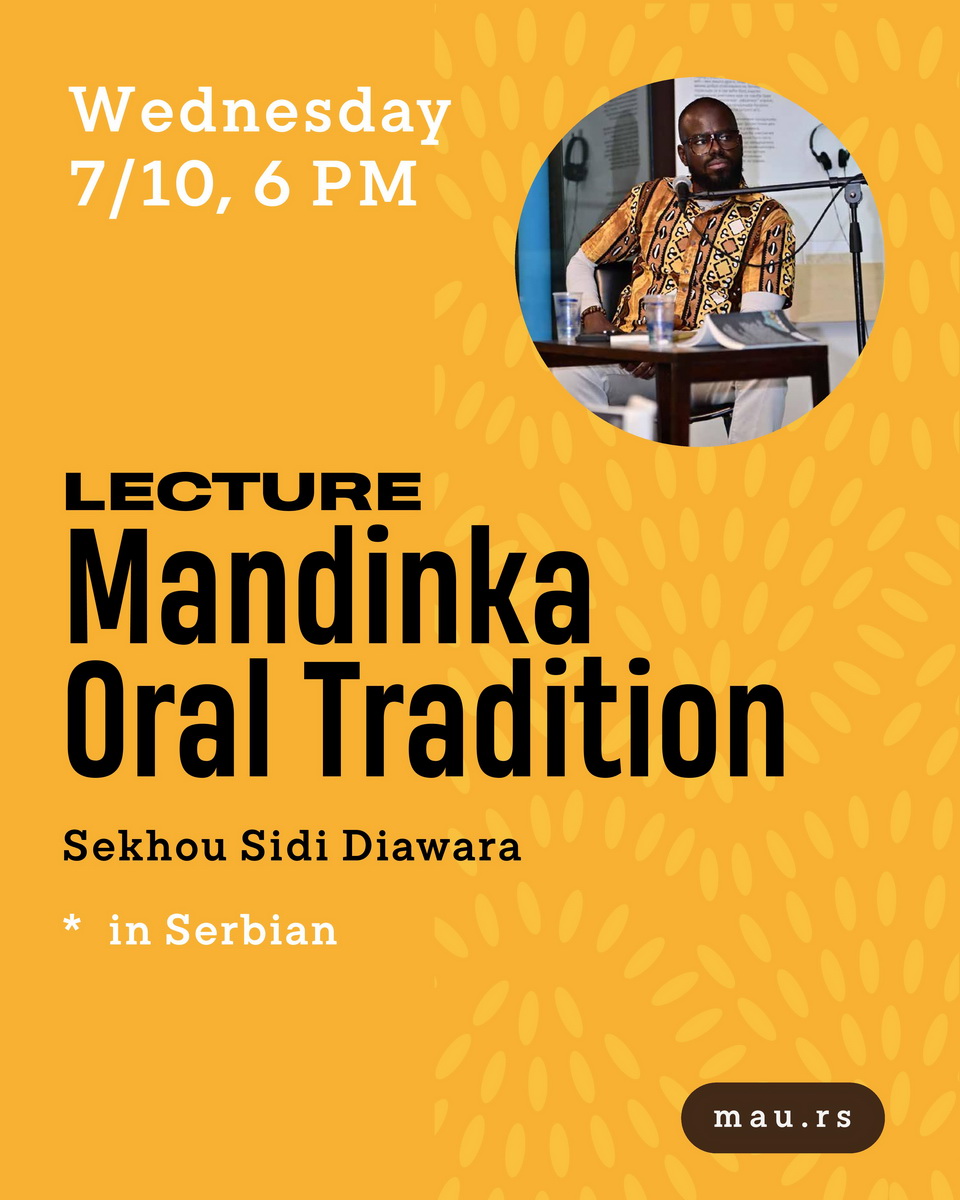 The lecture will explore the role of the djeli — custodians of collective memory, masters of speech and mediators in social relations — in traditional and contemporary Mandinka society.
In a society historically grounded in oral tradition, speech is not merely a means of communication, but an important form of social and political action. The lecture will examine the traditional roles of the djeli and the transformations of their status under the influence of modernisation, the emergence of the modern state, and changes in traditional forms of political and social organisation.
Although many functions once performed by traditional authorities have today been assumed by modern political, judicial and administrative institutions, the djeli continues to play an important role in preserving cultural values, maintaining community ties, mediation and conflict resolution.
The lecture will highlight the ability of the djeli institution to adapt to contemporary socio-political circumstances while retaining its symbolic and cultural significance.
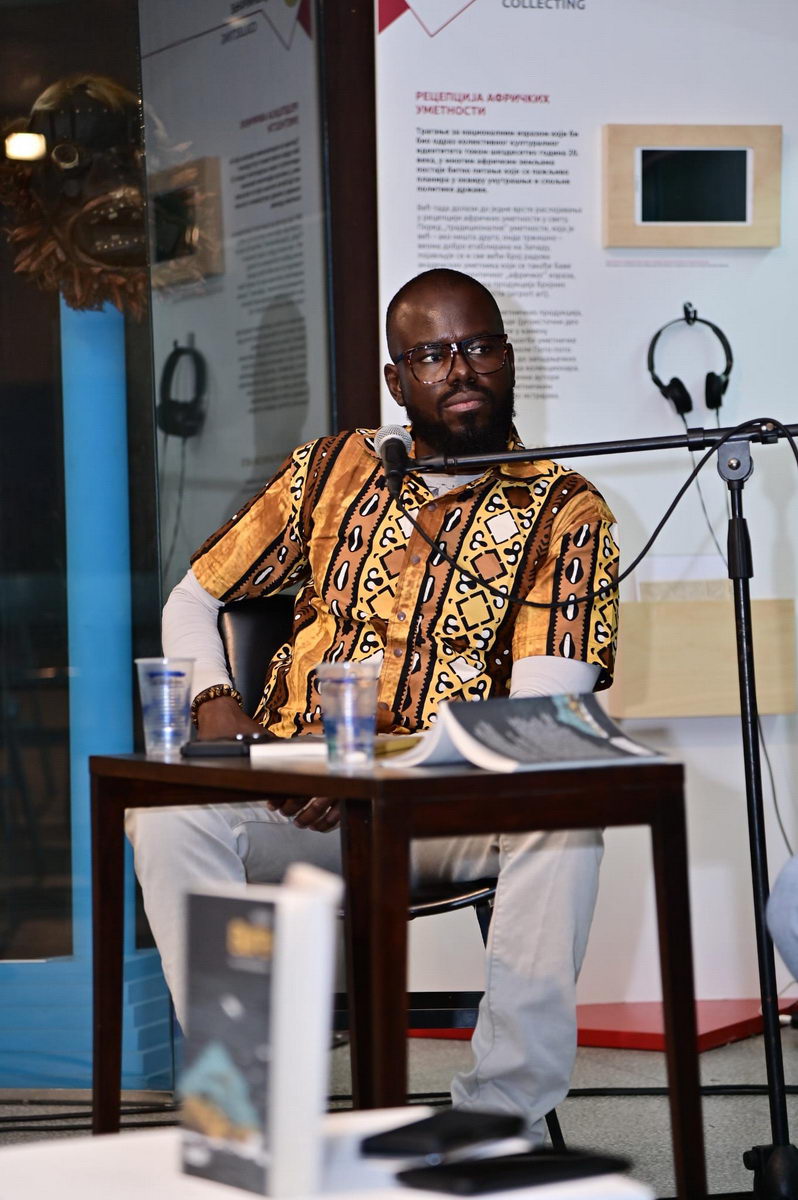 Sekhou Sidi Diawara is a PhD candidate (research phase) at the Faculty of Political Sciences, University of Belgrade, specialising in International and European Studies. He holds a degree in Anthropology from Mali and received a scholarship from the Government of Mali to pursue his higher education in Serbia. Following the defence of his master’s thesis, “Challenges and Limitations of Young Democracies in Africa: The Case of the Democratic Republic of the Congo,” he enrolled in doctoral studies at the Faculty of Political Sciences, University of Belgrade, specialising in International Relations. His doctoral research focuses on “Religion and Democracy in the Sahel Countries: Mali, Niger and Senegal from a Comparative Perspective.” He is the author of several articles published in academic journals, including the international journal Doni in 2025. Since May 2022, he has worked as a translator, cultural mediator and social worker at the Centre for Youth Integration in Belgrade.
Thursday, 8 October 2026, at 6 PM
Film screening: “The Time of the Leopards” by Zdravko Velimirović, 1985, 1h 35min
*Serbian subtitles
**Before the screening, a short interview with Zdravko Velimirović (4:43 minutes) will be shown.
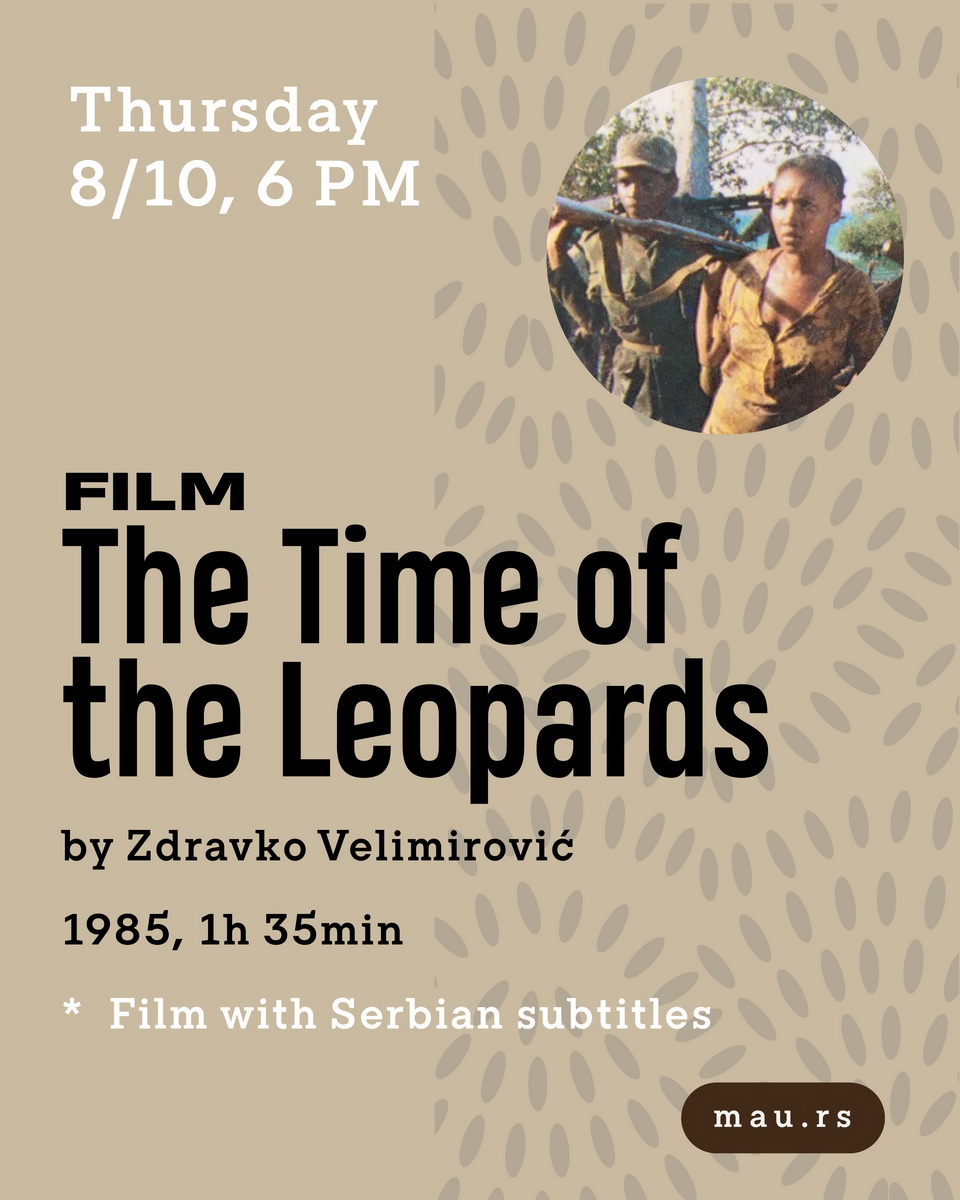 The Time of the Leopards is the result of an international cinematographic collaboration between the SFR Yugoslavia and Mozambique, produced by Avala Film, CFS Košutnjak and the National Institute of Cinematography of Mozambique.
This feature film was also Mozambique’s first cinematic production. It premiered in Maputo in 1985, as part of the celebrations marking the tenth anniversary of Mozambique’s independence.
The film’s social and political significance is reflected in a statement made by Mozambique’s first president, Samora Machel, at the film’s premiere: “You – Zdravko Velimirović and Yugoslavia – have done more for us than a battalion of soldiers.”
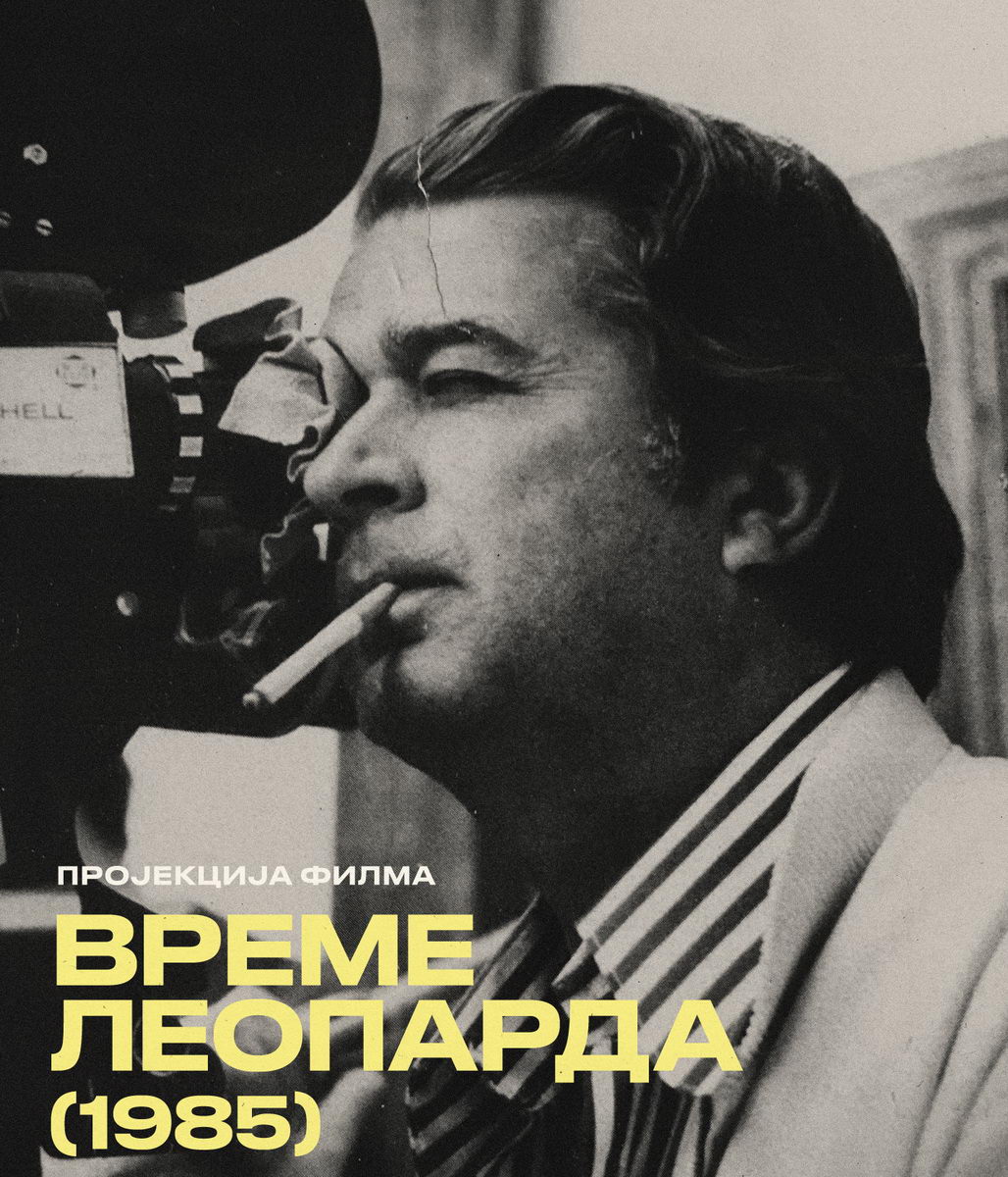 Zdravko Velimirović (1930–2005) was a director, screenwriter, writer, academic and full professor of film directing, as well as Dean of the Faculty of Dramatic Arts in Belgrade (1976–1996). He graduated from the Academy of Theatre, Film, Radio and Television in Belgrade and continued his studies at the renowned IDHEC film school in Paris. He directed feature films, documentaries, television series, theatre productions and radio dramas. He directed eight feature films in Yugoslavia and abroad, as well as more than fifty documentaries. He received numerous awards and honours, and his films represented Yugoslav cinema at many international film festivals, including Cannes, Venice, San Sebastián and Rio de Janeiro. He also served on the juries of national and international film festivals.
The screening is made possible with the kind permission of Delta Video – Avala Film.
For additional information, please click HERE.